SDN | 2020
For decades, the Niger Delta has been linked to oil pollution, yet the quality of petroleum products consumed daily has received less attention. “Dirty Fuel” examines the health and environmental risks associated with petroleum products sold through both official and unofficial channels in the Niger Delta. Produced by SDN in partnership with Public Eye and supported by laboratory analysis from the Anti-Corruption Evidence (ACE) programme at the School of African Studies, University of London, this study challenges the assumption that fuel obtained through licensed, regulated sources is necessarily safer or higher quality than informally produced fuel.
The Methodology:
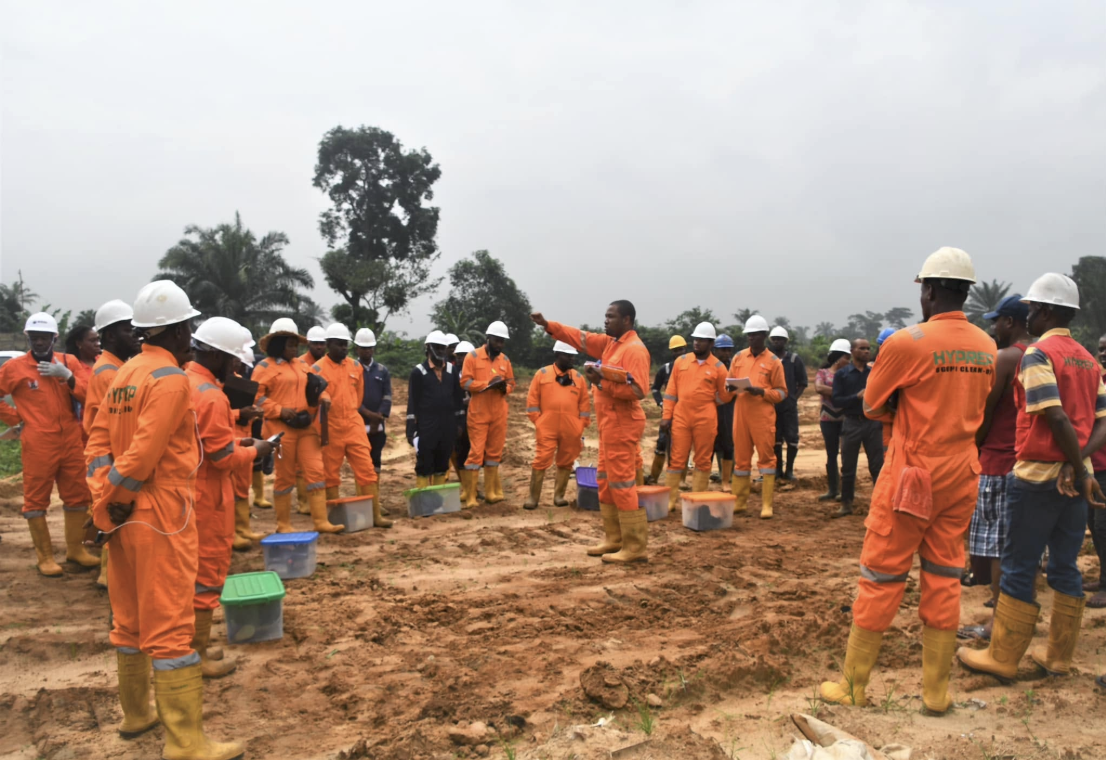
Between December 2018 and December 2019, researchers collected and analysed 91 fuel samples: 46 from unofficial sources and 45 from official sources. The samples were collected in Rivers and Bayelsa States, with official control samples obtained from filling stations in the Lagos port area. Laboratory analysis focused on sulphur, total petroleum hydrocarbons, organolead, manganese, octane rating, and potentially carcinogenic compounds, including BTEX and PAHs.
The Findings:
One of the report’s most significant findings was the poor quality of some officially supplied petroleum products. Official diesel samples averaged 2,044 parts per million (ppm) of sulphur, more than 200 times the European Union limit of 10 ppm. Unofficial diesel samples averaged 1,523 ppm, also significantly exceeding the EU limit. The findings indicated that imported fuel often surpassed Nigeria’s own sulphur standards during the studied period.
The comparison between official and unofficial fuel yielded an unexpected result: unofficial gasoline was frequently of better quality than the official gasoline samples tested. Kerosene was an exception, as official samples outperformed unofficial samples. The study also noted that shortages of officially supplied kerosene contributed to the rising demand for artisanal alternatives. The implications go beyond fuel quality.
Laboratory analysis revealed elevated concentrations of hazardous compounds in several samples. Naphthalene levels reached up to 72 times the recommended occupational exposure limit in one sample, while about one-third of all samples exceeded the study’s reference threshold for toluene. Artisanal refinery workers are particularly at risk because of direct exposure, as refining often occurs in environments with limited protective equipment and occupational safeguards.
Why This Matters Today
Dirty Fuel remains relevant because the challenge it identified is larger than the debate over “official” versus “illegal” fuel. The study demonstrates that regulating the supply chain is not enough if products entering the market do not meet established quality standards. Consumers can be exposed to harmful pollutants through formally regulated channels as well as through informal ones.
The findings also place the Niger Delta’s air-pollution crisis in a wider context. Artisanal refining is an important source of pollution, but it is not the only one. The contribution of officially supplied fuel, industrial activity, waste burning and other sources means that improving air quality requires attention to the entire pollution landscape rather than focusing exclusively on informal refining.
The report also highlights the relationship between environmental regulation, public health and economic necessity. Where officially supplied petroleum products are scarce, unaffordable or of poor quality, demand for informal alternatives can persist even when those alternatives carry significant environmental and occupational risks. Addressing the problem therefore requires more than enforcement. It requires reliable fuel standards, effective monitoring and enforcement, public access to air-quality information, safer energy alternatives and realistic pathways for reducing dependence on highly polluting fuels.


Published: 20.05.2020